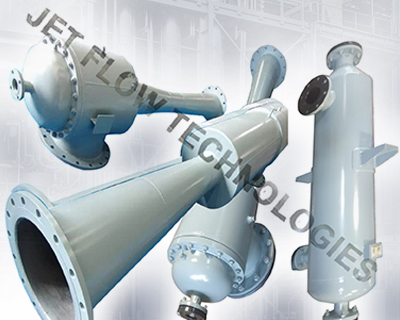
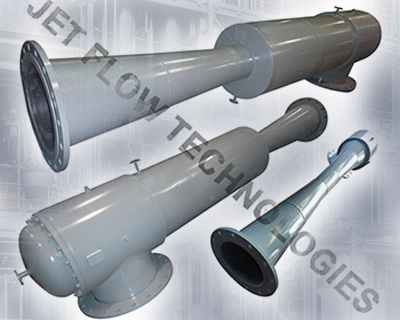
Steam Jet Ejector Vacuum System For Edible Oil and Food Processing Plants
VVacuum is essential during several stages of edible and vegetable oil processing, including hydrogenation, fractionation, bleaching, deodorization, and de-acidification. Among available vacuum technologies, Steam Jet Ejector Systems have proven superior to mechanical vacuum pumps due to their reliability, versatility, and efficiency.
How a Vacuum Systems works in Edible Oil Plants :
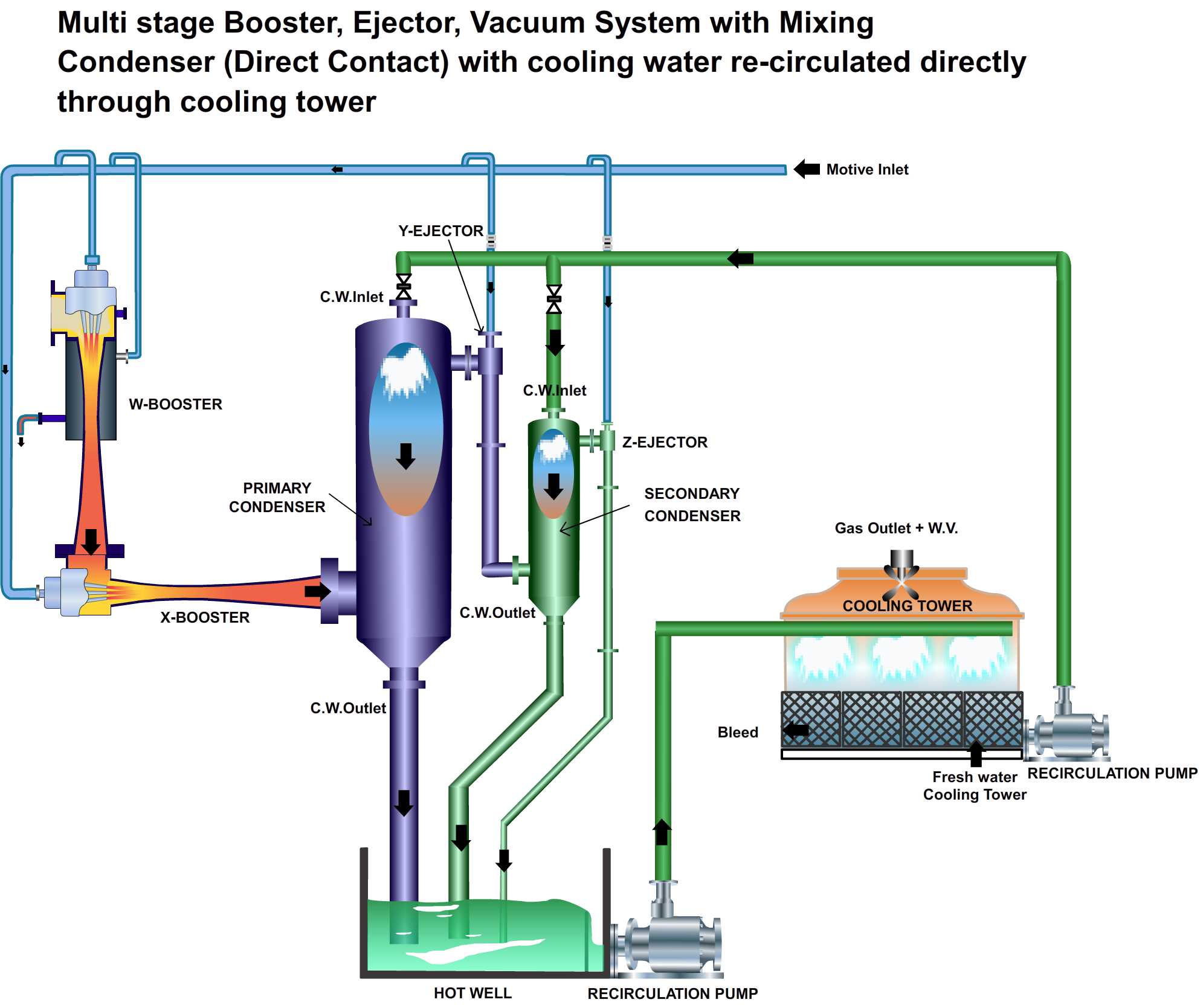
- Motive Steam: High-pressure steam expands through a converging–diverging nozzle, producing a high-velocity jet and creating low pressure in the suction chamber.
- Entrainment: Process vapors and gases from the oil vessel are drawn into the suction chamber and mixed with the motive steam.
- Compression: The mixture passes through a venturi-shaped diffuser, where velocity energy is converted back into pressure energy, enabling discharge against higher back-pressure or into a condenser.
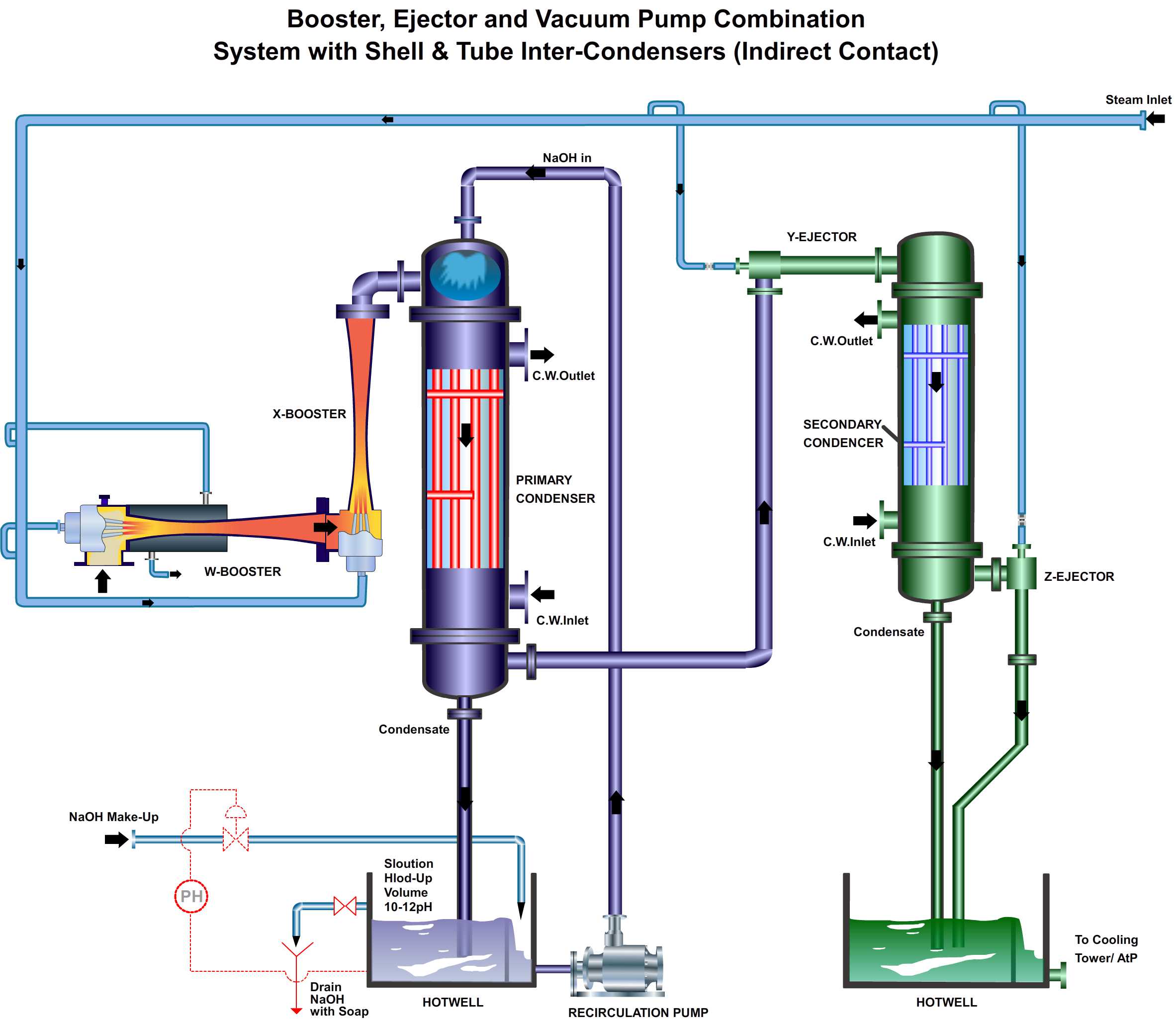
- Multi-Stage Operation: Deep vacuums (typically 1–3 torr or ~90 mbar absolute, depending on design) required in edible oil deodorizers are achieved using multi-stage ejector systems (2–5 stages) combined with intermediate barometric or surface condensers
Jet Flow Advantages in Edible Oil Processin:
- No Moving Parts: Eliminates mechanical wear, breakdowns, and heavy maintenance.
- High Capacity: Efficiently handles large volumes of low-density vapors and sparging steam, ideal for deodorization applications.
- Corrosion Resistance: Wetted parts are typically constructed from stainless steel (SS304/SS316), ensuring safe handling of fatty acids.
- Hybrid Configurations: Can be paired with liquid ring vacuum pumps (LRVP) in the final stage to reduce steam consumption and improve overall efficiency.